İbn-i Hacib (İbnü'l-Hâcib) was a Maliki fiqh scholar and Arabic grammarian who lived in the 13th century. His works called al-Kâfiye on nahve and al-Shafiye on safah have been among the fundamental books of madrasah education in the Islamic world for centuries.
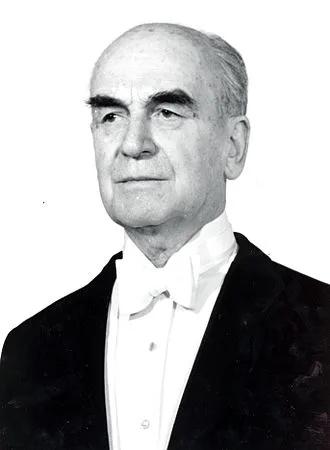
His full name is Ebû Amr Cemâleddin Osman b. Omar b. It is Abu Bakr. He was born in Ithna in Upper Egypt in 1174-1175. He was called "Ibnü'l-Hâcib" because his father worked as the hajib of İzzeddin Mûsek es-Salâhî, one of the Ayyubid emirs.
Vital
In his youth, he studied recitation, fiqh and Arabic language in Cairo from the leading scholars of the period. After teaching in Cairo for a while, he moved to Damascus and worked as a professor at the Maliki lodge in the Umayyad Mosque. In the early 1240s, he had to leave Damascus when he had a disagreement with the Ayyubid ruler Salih Ismail; He went to Cairo and then to Alexandria. He died in Alexandria in 1249.
works
His most well-known work in the field of language is al-Kâfiyya; Around a hundred commentaries were written on this book and the work was taught in a wide geography. It has become equally widespread in al-Shāfiyyah in the teaching of sarfs. Al-Muhtasar fi'l-Fürû, also known as Câmiu'l-ümmehât in fiqh, has become the textbook of Mālikī teaching in Maghrib. In addition to these, there are other language and fiqh works such as el-Emâlî.
He left a lasting legacy to the next generations with his combination of Egyptian and Maghrib Maliki traditions in fiqh and his concise texts and commentaries in language studies.