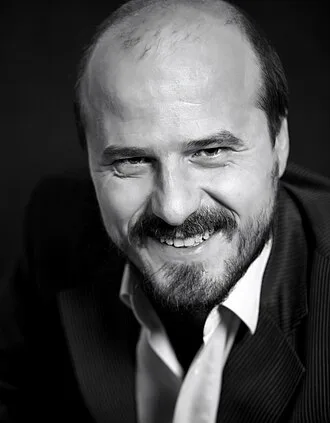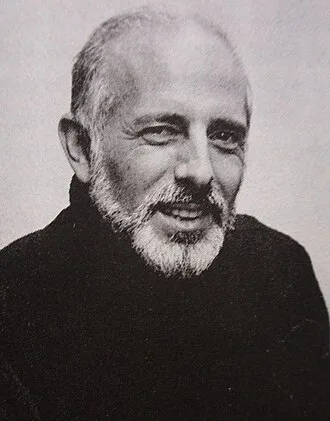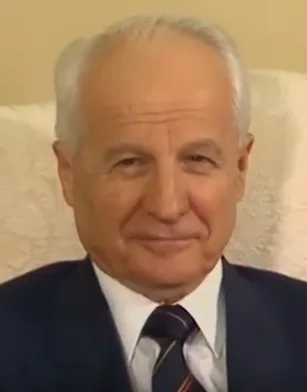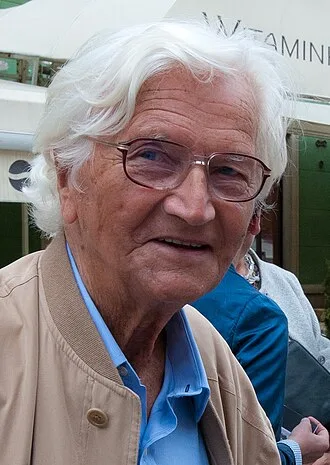
Stefan Arczyński is a Polish photographer. Born in Essen, Germany, in 1916, he died in Wrocław in 2022, aged 106. He is considered one of the masters of black-and-white photography in Poland; He is known for photographing Wrocław, which was rebuilt after the war, for over seventy years.
Youth and war years
He was born on July 31, 1916, to a family that migrated from the Greater Poland region to the Rhine basin. He started his photography education in 1934; In his youth, he was most interested in sports photography and shot at the 1936 Berlin Olympics. Because he was a German citizen, he was drafted into the Luftwaffe during World War II and worked on the processing of aerial photographs in France.
He was later sent to the Eastern Front, and at the end of the war he was captured by the Soviets in Latvia.
photography in poland
He became a Polish citizen in 1946. He opened his first studio in Kamienna Góra in 1948, and settled in Wrocław in 1950. Here he documented the city's rise from the ruins, the daily life of Lower Silesia, and the developing cultural environment of the region. Over time, these photographs became an important part of the visual memory of the city.
The collaboration, which started when mime artist Henryk Tomaszewski, who worked at the Wrocław Opera in the 1950s, saw his photographs in the showcase and came to his studio, lasted for many years. Arczyński recorded the stage works of the Wrocław Pantomime Theatre, founded by Tomaszewski, with approximately a thousand frames; these negatives subsequently entered the collection of the Wrocław City Museum.
He returned with hundreds of thousands of photographs from his trips to China, India, Africa and the United States. His works have been exhibited in Poland, Europe and the USA, and have been published in dozens of albums. He received the Gold Cross of Merit in 1977 and the Gloria Artis Gold Medal of Cultural Merit in 2011; He became an honorary citizen of Wrocław and was awarded the city's badge of honor in 2021.
Arczyński died in Wrocław on 28 August 2022. The archive he left behind is considered one of the most comprehensive photographic documents of post-war Wrocław.