















Mardin Travel Guide: Old Town, Syriac Monasteries, Dara and Midyat
Flights and transfers, staying in the old town, Zinciriye and Kasımiye madrasas, Deyrulzafaran and Mor Gabriel monasteries, the ruins of Dara, local food and when to go.
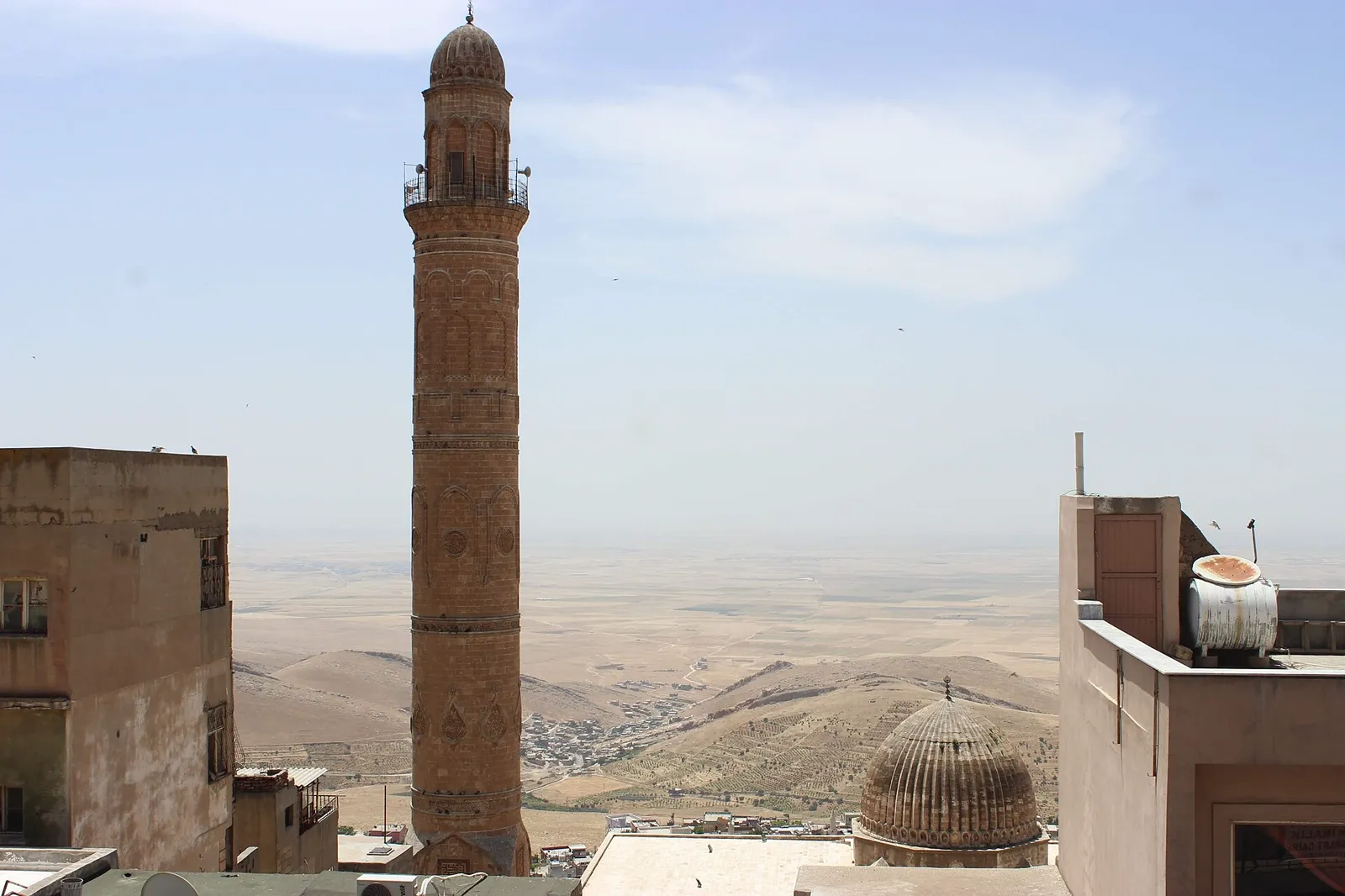
Mardin is built in terraces down a hillside facing the Mesopotamian plain — honey-coloured limestone houses, Artuqid madrasas, mosques and Syriac churches stacked above one another, linked by stepped lanes and vaulted passages called abbara. It is one of the most distinctive cities in Turkey, and the view over the plain at dusk is the reason people stay an extra night. Nearby, the ancient site of Dara and the stone-carving town of Midyat complete a two or three day trip.
Getting to Mardin
Mardin Prof. Dr. Aziz Sancar Airport (MQM) is about 20 km from the centre on the Kızıltepe road; direct flights from Istanbul take around two hours. Havaş buses run according to flight times and take roughly half an hour into town, passing through Yenişehir towards Cumhuriyet Square, Diyarbakır Gate and the bus station. City buses and taxis are the alternatives — schedules change, so check before you fly.
-
Recipes
Ingredient lists, step-by-step method, time and servings. Browse by category from soups to desserts, or search for what you need.
See recipes → -
How-to guides
From phone settings to paperwork, account security to everyday problems: numbered steps with an estimated time for each guide.
See the guides → -
Software archive
Browsers, security tools, office and media software. Every entry says what it does, which version it is and where to download it.
Browse software → -
Voice and video chat
Group video rooms, one-to-one voice calls and live streaming. Runs in the browser — no plugin, no app, nothing to install.
Enter the rooms →
Diyarbakır Airport (DIY), about 95 km away, is the other option, with regular buses on to Mardin. Overnight coaches run from Istanbul (around 20 hours) and Ankara (13–14). There is no regular passenger train service to Mardin.
Where to stay
Almost everything is in the old town, so Old Mardin — First Street and the lanes around it — is the obvious base: restored stone mansions turned into hotels, with the madrasas, bazaar and churches on foot. Be aware the streets are steep and stepped, and some hotels cannot be reached by car. Yenişehir, the newer district below, has modern hotels and easy parking, with minibuses and taxis up the hill. If Midyat and Mor Gabriel are the main reason for your trip, consider a night in Midyat.
What to see
Zinciriye Madrasa
The 14th-century Artuqid madrasa above the old town, with a domed courtyard and the best-known view across the plain. Go late in the afternoon.
The Great Mosque and the bazaar
The Ulu Cami, Artuqid in origin, sits at the centre of the old town; around it the bazaar still has coppersmiths, soap makers and saddlers working in small shops. Mardin's silver filigree (telkari) is the craft to look for.
Deyrulzafaran Monastery
Founded in the 5th century a few kilometres east of the city, the "Saffron Monastery" was for centuries the seat of the Syriac Orthodox Patriarchate. It is still in use, and parts are open to visitors — an active monastery rather than a ruin.
Kasımiye Madrasa
A 15th-century complex with a courtyard pool designed to reflect the building, on the edge of town with an open view over the plain.
Dara
About 30 km southeast, the Roman-Byzantine frontier city of Dara has rock-cut cisterns, a necropolis and quarries carved into the hillside. Excavations are ongoing and the scale of the underground structures surprises most visitors.
Midyat and Mor Gabriel
Midyat, an hour east, is known for its white stone mansions and silver workshops. Nearby Mor Gabriel, founded in 397, is among the oldest working Syriac Orthodox monasteries in the world.
What to eat
Mardin cooking mixes Arab, Syriac and Kurdish traditions. Try ikbebet (bulgur shells stuffed with meat), kaburga dolması (rice-stuffed lamb ribs), lebeniye soup made with yoghurt, and sembusek pastries. Breakfast means local cheeses and sübye, a drink of ground almonds. Coffee here is often mırra — bitter, boiled long, served in tiny cups and drunk in one go.
When to go
Summers on the plain are extreme — 40 °C and above through July and August, with little shade in the stone streets. April–May and September–October are the right months. Winters are cold but bright, and the old town under low sun is at its most photogenic; snow is rare but possible.
Two days in Mardin
Day 1: The old town on foot — Zinciriye Madrasa, the Great Mosque, the bazaar, Kasımiye — and sunset over the plain.
Day 2: Deyrulzafaran in the morning, then Dara, or head east to Midyat and Mor Gabriel.