László Kovács (cinematographer)
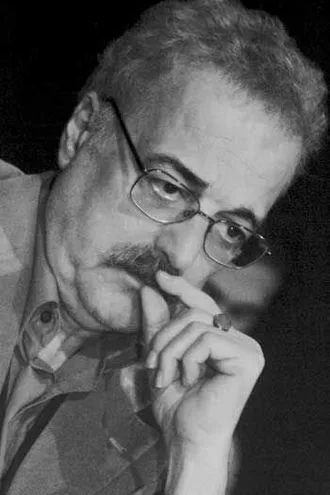
László Kovács was born on May 14, 1933 in the town of Cece, Hungary, and died on July 22, 2007 in Beverly Hills, California. Kovács, who played an important role in shaping the American New Wave cinema in the 1970s, worked with leading directors such as Peter Bogdanovich, Richard Rush, Dennis Hopper, Norman Jewison and Martin Scorsese; He was particularly known for his cinematography on the 1969 film Easy Rider and the 1970 film Five Easy Pieces, and won many awards, including three Lifetime Achievement Awards. He also served on the board of directors of the American Society of Cinematographers as an active member.
Kovács, who received his cinema education at the Budapest Drama and Film Academy between 1952 and 1956, met Vilmos Zsigmond, who would become his lifelong friend, during the same period. During the Hungarian Revolution of 1956, they secretly recorded the daily course of the revolution on black-and-white 35mm film with an Arriflex camera they borrowed from school.
They traveled to Austria in November to develop 30,000 feet (about 9,100 m) of film strip, and then in March 1957 they traveled to the United States to sell the footage. These images were featured in a documentary on CBS television in 1961, narrated by Walter Cronkite, at a time when the revolution had lost its news value.
Kovács settled in the United States in 1957 and worked in various manual jobs until he received citizenship in 1963; He took on tasks such as producing maple syrup, printing microfilm in the insurance office, and taking part in some low-budget films. During this period, he was sometimes referred to as Leslie Kovacs or William Zsigmond.
The turning point in his career was the project Easy Rider, in which he both starred and directed Dennis Hopper. Although he was initially reluctant to approach this project, as a result of Hopper's persuasion efforts, he joined the team as director of photography and won second place in the Best Cinematography category at the 1970 Laurel Awards. The same year, he worked with Hopper again in The Last Movie and won the Gold Award (Best Cinematography) for his success in Five Easy Pieces. These successes strengthened his place in the world of cinema.
📚 Source: Wikipedia