Richomer
Richomer (Flavius Richomeres in Latin sources) was a commander of Frankish origin who rose in the Roman army in the second half of the 4th century. He is known for his duties in the wars with the Goths and his consulship in 384. He died in 393.
Gothic War
He was the commander of the palace guard (comes domesticorum) of the Western emperor Gratian in 377–378. In 377, Gratian sent him with detachments from the mobile army in Gaul to Thrace to aid the Eastern emperor Valens, who was dealing with the Goths who had crossed the Danube. He took over the management of the forces united with other commanders in the region and fought with the Goths in the Ad Salices (Söğütler) location in the same year; The war, which lasted until sunset, ended without either side gaining the upper hand.
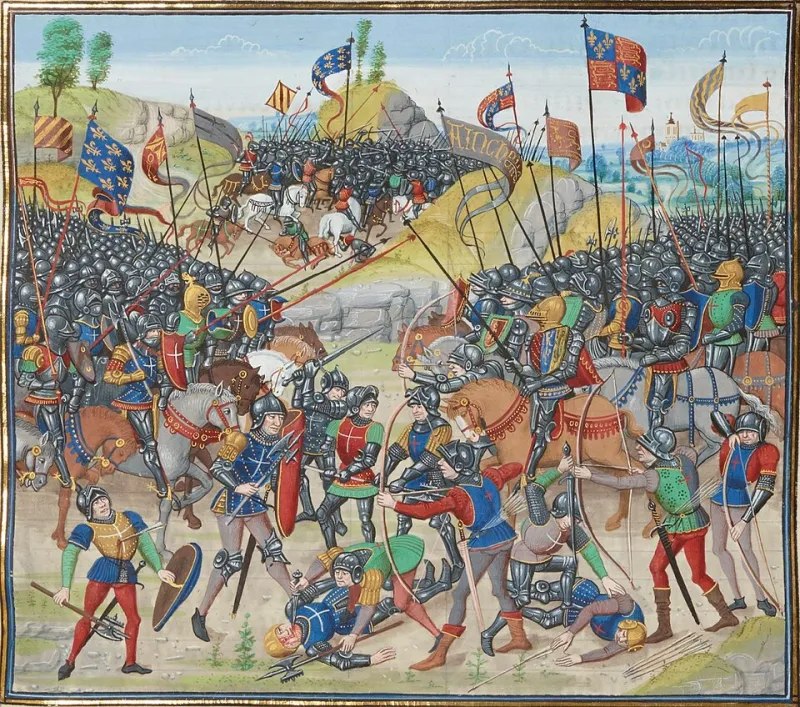
Before the Battle of Hadrianopolis (Edirne) in 378, when the Goth leader Fritigernus asked for hostages for peace, Richomer took on this duty voluntarily. However, before he reached the Goth camp, some units of the two armies spontaneously clashed and the great war began. Although Richomer was caught in the middle of the chaos, he retreated and escaped; Valens lost his life in this defeat.
Later years
He became commander of the Eastern armies (magister militum per Orientem) around 383 and served as consul with Clearchus in 384. In 388, he fought with his nephew Arbogastes in the campaign of Theodosius I against Magnus Maximus, who seized the empire in the West, and from that date until his death, he held the highest military command in the East.
He also had ties to rhetorical circles; It is known that he was acquainted with Libanius. His introduction of the rhetorician Eugenius to his nephew Arbogastes later became important: Arbogastes had Eugenius declared emperor in the West. Richomer died in 393 while on the road at the head of the army marching against Arbogastes.
📚 Source: Wikipedia