Yılmaz Gruda
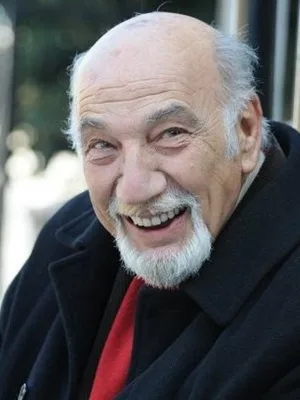
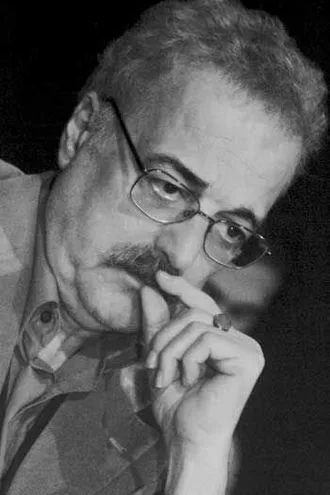
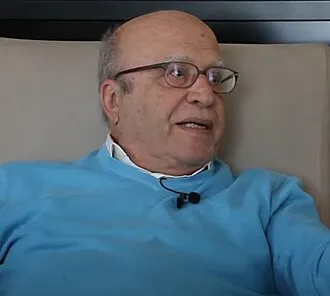
The master name of Turkish art, Yılmaz Gruda, was born on March 14, 1930 in Istanbul. Gruda, whose real name is Ahmet Yılmaz Arkon, was born to his father Hasan Bey and his mother Emine Mediha Hanım. Hasan Bey immigrated to Istanbul from Albania due to a blood feud and was earning his living as a milkman here. Gruda's parents later divorced and he moved to Ankara with his father.
Gruda, who was introduced to literature in his childhood, attracted attention with his novel "Memo", which he wrote inspired by Mahmut Makal's book "Our Village" when he was 12-13 years old. Although the novel began to be published in parts in a newspaper, when the newspaper closed, Gruda turned this novel into a poem called "Letters to Memo". He published his poem in the magazine "Yağmur ve Toprak".
Gruda completed his primary education in Istanbul and then attended Ankara Commerce High School. The artist, who left his high school education and became a civil servant, also continued to write poetry. His poems were published in newspapers and magazines such as "Varlık" and "Kaynak". He took part in the Second New movement for a while and wrote poems with poetic expression in the "Mavi" magazine in 1952. During this period, he was among the pioneers of the Blue movement, together with Attila İlhan.
Gruda resigned from the civil service in 1954, went to Istanbul and started his theater career. After performing at the Theater Association Cep Theater for two seasons, he continued his acting career at the Ankara State Theatre. He took part in the "Ankara Meydan Sahnesi" and "Nisa Serezli" ensembles. He directed the Muammer Karaca Theater belonging to the Metropolitan Municipality of Istanbul and in 1959, he staged his one-man show called "Çağdaş Meddah" for the first time and received great acclaim.
Yılmaz Gruda also made a name for himself with the plays he wrote. He wrote plays such as "Gentlemen, Please Take Off Your Hats" (1958), "The Son of the Susans" (1960) and "Eye of the Blind" (1960). In addition, his plays "Sultan Aziz Case" and "Kavuklu Hamdi", which he wrote together with his wife Türkan Gruda, are among his important works.
Starting from 1959, Gruda began to take part in cinema and television productions and made his first appearance in front of the audience in the movie "Efesi of the Nine Mountains".
Yılmaz Gruda was born in Istanbul on July 14, 1930. His full name is Ahmet Yılmaz Gruda. He attended primary school at Istanbul 12th Primary School. Because his parents separated, he immigrated to Ankara when he was in the 5th grade, and he grew up next to his father, who was engaged in trade. He studied secondary school in Ankara.
Yılmaz Gruda left his education at Ankara Commercial High School in the second grade and started working as a bank officer in Ankara, and later worked as an accountant at Yeni Sabah newspaper in Istanbul. He resigned in 1954 and appeared on stage at the Theater Association Pocket Theater for two seasons in 1955-1956.
Later, he played in companies such as Küçük Sahne, Dormen Theatre, Ankara State Theatre, Ankara Meydan Sahnesi, Ulvi Uraz, Nisa Serezli - Tolga Aşkıner. Muammer Karaca directed the theatre. The poems he wrote in the 1950s were published in various magazines. He is one of the poets who created the blue movement together with Attila İlhan. He acted in movies and TV series, and also wrote and translated theater plays.
Gruda, who was married three times, has 2 children. His second wife is the famous actress Ayşen Gruda.
Yılmaz Gruda was hospitalized in Istanbul due to kidney failure on March 13, 2023. He died on July 25, 2023, at the age of 93.
Productions in which he took part
He took part in a total of 83 productions; 12 of the most well-known are listed.
- Foreign Groom (2004) — Celayir
- Çukur (2017) — Old Aliço
- Call My Manager (2020)
- Rag Doll (2007) — Tayfun Bey
- The Prince (2023) — Larousse
- Personality (2018)
- Kavak Yelleri (2007) — Haşmet
- Pebbles (2010) — Solomon
- Don't Let It End Like This (2012)
- The Stars Are My Witness (2017)
- Mr. Kamber (1994) — President Halis
- Turkish Detective (2023) — Timur İkmen
Production and imprint information was taken from TMDB.
📚 Source: Wikipedia